









Now Reading: Media Clash: Paramount Outbids Netflix in $108B Warner Bros. Deal
-
01
Media Clash: Paramount Outbids Netflix in $108B Warner Bros. Deal
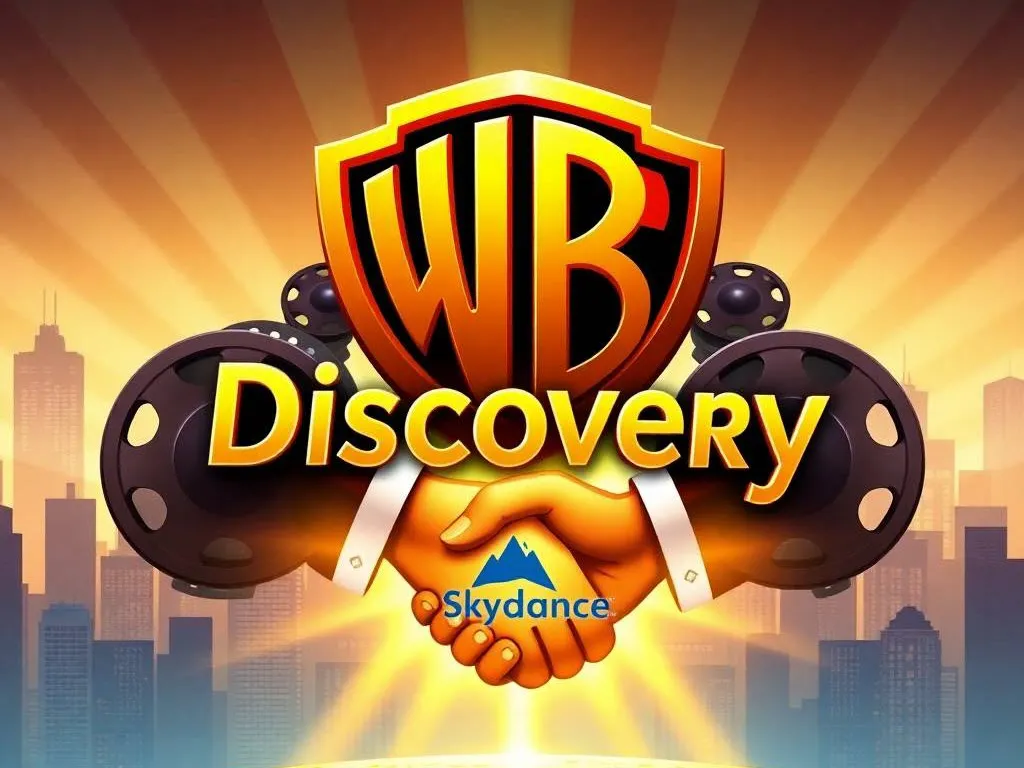

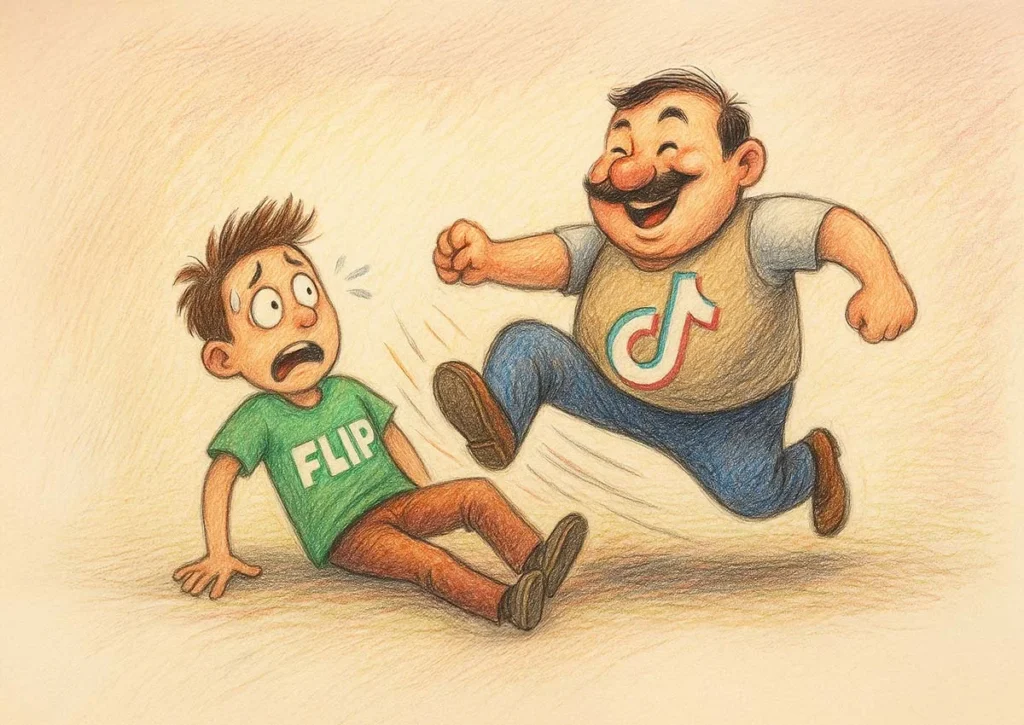
The global entertainment landscape is bracing for a dramatic transformation as Paramount Skydance Corp. launched a high-stakes, all-cash hostile takeover bid for Warner Bros. Discovery, escalating a corporate showdown that could redefine the industry’s power structure. This surprise move significantly challenges Netflix’s previously proposed acquisition, injecting massive complexity into the future of one of Hollywood’s most influential studios.
The Hostile Bid: Paramount Ups the Ante
Paramount Skydance Corp. issued its hostile bid on Monday (December 10), offering $30 per share in cash for the entire company. This aggressive proposal values Warner Bros. Discovery, including its outstanding debt, at a staggering $108.4 billion.
This offer dramatically surpasses the bid approved just last week from streaming giant Netflix. Netflix had proposed $27.75 per share, utilizing a mix of cash and stock for their acquisition.
The critical difference between the two proposals lies in their scope and structure:

- Scope of Acquisition: Netflix sought only Warner Bros.’ most desirable entertainment assets, including its renowned film studio, the prestige network HBO, and its core streaming operations. In contrast, Paramount’s proposal is comprehensive, covering the entire company.
- Payment Structure: Paramount’s offer is a “superior all-cash offer,” contrasting with Netflix’s mixed cash and stock proposal. Paramount CEO David Ellison explicitly stated that Warner Bros. shareholders “deserve an opportunity to consider our superior all-cash offer,” positioning Paramount as the more immediate and financially attractive alternative.
This high-stakes battle is more than just a pricing war; it’s a fundamental struggle over the future direction of Hollywood, determining whether legacy studios will consolidate power or if digital streaming giants will continue their expansion and dominance.
Financial Complexities and Shareholder Math
While Paramount’s cash offer appears definitively higher on the surface, the valuation is complicated by Warner Bros.’ internal strategies. Prior to any sale, Warner Bros. plans to spin off several key cable networks, including CNN, TNT, and the Discovery Channel.
Paramount asserts that its proposal provides $18 billion more in cash than the Netflix proposal. However, market analysts point out that the value generated from these divested channels could potentially increase the total effective value of Netflix’s initial bid. Despite the higher competing offer, Warner Bros. confirmed that its board will review Paramount’s bid but has not yet withdrawn its support for the existing Netflix deal.
Regulatory Hurdles and Political Undercurrents
Both the Paramount and Netflix proposals face substantial regulatory challenges. Given the immense scale of the resulting combined entities, both bids face significant antitrust scrutiny due to the potential concentration of media power. The seriousness of these regulatory risks is underscored by the large breakup fees included in both offers.
Adding layers of complexity, the escalating bidding war is unfolding under the close watch of regulators and the White House. The Paramount bid, in particular, carries political associations:
- CEO David Ellison has publicly cited his family’s longstanding ties with President Donald Trump.
- Financing disclosures revealed that Jared Kushner, Trump’s son-in-law, is involved in the Paramount bid through his firm, Affinity Partners.
- President Trump has stated he expects to have a role in approving any eventual Warner Bros. sale, though he claims not to have discussed the matter with Kushner.
Securing the Capital
Paramount has secured robust financing to back its massive all-cash bid. The financing details show that the Ellison family has committed $11.8 billion. Furthermore, Paramount secured $24 billion from three Middle Eastern sovereign wealth funds, alongside additional backing from RedBird Capital and Affinity Partners. Notably, China’s Tencent, which was initially expected to be a backer, has withdrawn from the proceedings. Paramount’s tender offer is set to remain open for a period of 20 business days.
Market Reaction and Timeline Forecast
The immediate market response to Paramount’s hostile bid was volatile:
- Warner Bros. shares saw a 4.4% increase.
- Paramount shares experienced a significant jump, gaining 9%.
- Netflix shares dipped slightly, falling 3.4%.
The regulatory environment means that regardless of which bidder ultimately prevails, extensive reviews across multiple jurisdictions are guaranteed to extend the timeline. Market analysts are warning that the entire takeover saga could stretch well into 2026. Following Paramount’s surprise move, prediction markets quickly adjusted the probability of Netflix successfully closing its deal, dropping it sharply to just 16%.
As one industry analyst summarized, “This fight for Warner Bros. is far from over—and the industry may look very different by the time it ends,” signifying that the outcome will fundamentally reshape the competitive landscape for years to come.


Krishna Paksha Thapa (KANXEY) is an art lover, illustrator, and storyteller from Nepal (Now in Israel). An independent creator who loves to write and paint, he brings stories to life through sketches, words, and visual expression.