




Now Reading: The legend of Shankhadhar – शंखधरया बाखं
-
01
The legend of Shankhadhar – शंखधरया बाखं

—
The Legend of Shankhadhar (Nepali)
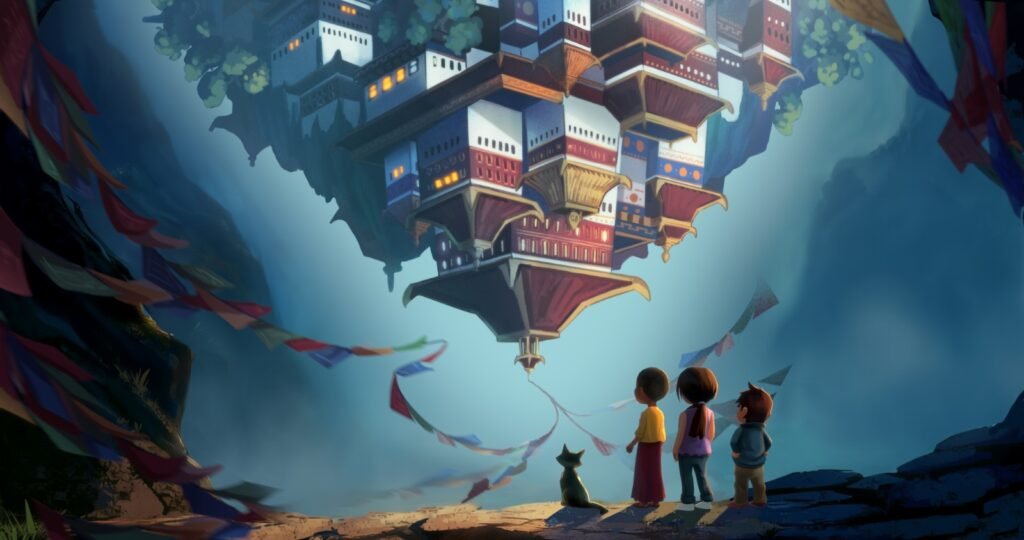
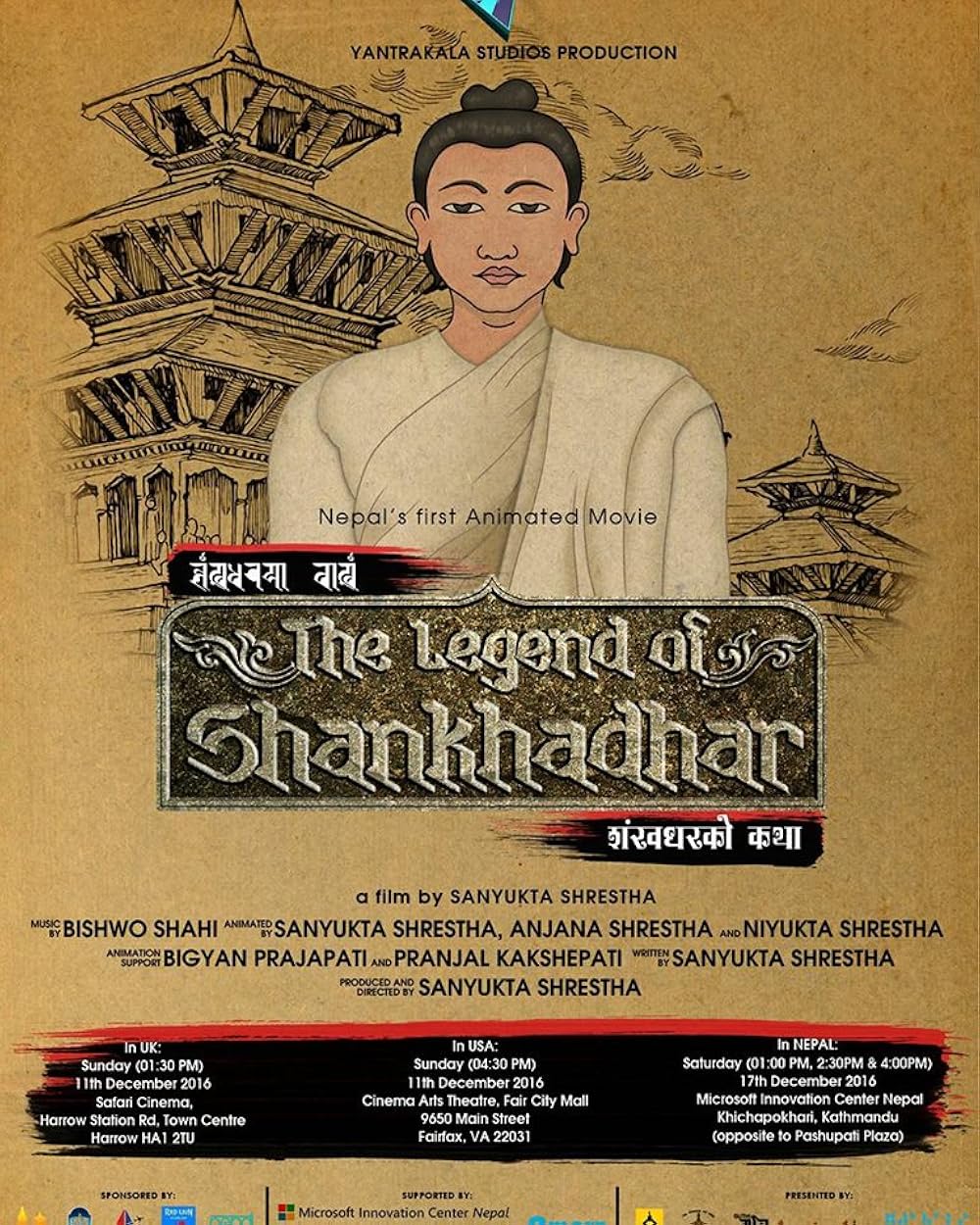
Among the many names that have made a profound contribution to Nepal’s cultural and historical heritage, Shankhadhar Sakhwa stands out as one of the most revered. The life and legacy of this great figure have been brought vividly to life by Nepali animators through a 2D animated feature film titled “शङ्खधरया बाखं” (The Legend of Shankhadhar). This film is recognized as the first full-length 2D animated feature produced in both Nepal Bhasa and Nepali. With English subtitles included, its reach has extended to audiences around the world.
“शङ्खधरया बाखं” is inspired by a historical event that took place nearly 2,000 years ago. Shankhadhar Sakhwa was an ordinary merchant from Kathmandu who forgave all outstanding debts of the people of his time, an extraordinary act that marked the beginning of the Nepal Sambat calendar. Nepal Sambat is Nepal’s indigenous traditional calendar, which began on October 20, 879 CE. Through captivating animation, the film beautifully presents Shankhadhar Sakhwa’s remarkable contribution. In recent years, Nepal Sambat has also gained official recognition in government documents, reaffirming its national significance.

This film is not merely a historical biography; it is also a tribute to Nepal’s ancient cultural heritage, particularly Newar culture and traditions. By portraying the life and noble deeds of Shankhadhar Sakhwa, the film reflects the values of patience, humanity, and historical consciousness deeply rooted in Nepali society.
The Historical Contribution of Shankhadhar Sakhwa
Shankhadhar Sakhwa was a merchant from Kantipur, known for his compassionate nature and selfless service to society. On October 20, 879 CE, he forgave all debts across Kathmandu. This unprecedented act brought both economic relief and mental peace to the people, and it was from this moment that Nepal Sambat was formally inaugurated.
Nepal Sambat is celebrated as a cultural and historical calendar of Nepal, originally intended to help society measure time and mark agricultural cycles. Over centuries, it has strengthened Nepal’s cultural identity and national pride.
Film Production and Credits
This remarkable animated film was written, edited, directed, and produced by Sanjay Shrestha. The film features performances by some of Nepal’s most respected artists, including Madan Krishna Shrestha, Madan Das Shrestha, Rajaram Paudel, Kiran KC, Surendra KC, Suraj Bajracharya, Sunita Rajbhandari, and Karna Bajracharya, among many others.
The animation team includes talented artists such as Niyukta Shrestha, Anjana Shrestha, Bigyan Prajapati, and Pranjal Kachhepati, who worked closely alongside Sanjay. The music is composed by Bishwo Shahi, with assistance from Ganga Thapa. Songs in the film are sung by Nisha Desar, while Subash Ram Prajapati contributed to the background score.
“शङ्खधरया बाखं” was produced under the banner of Yantrakala Studio and benefited from the guidance of various cultural and historical advisors. Language and cultural accuracy were ensured with the support of Nepal Bhasa experts such as Sunita Junu Rajbhandari and Subash Ram Prajapati.
Screenings and Support
The film has been showcased on several international platforms and supported by prestigious organizations including Pasa Puchah Guthi UK, Neva Organization of America, Guthi Australia, ArtCatcher Ltd. (Germany), and Gwahali Nepal. Additionally, the Microsoft Innovation Centre Nepal has also extended its support to the project.
Cultural Significance
“शङ्खधरया बाखं” is not just a historical animated film; it is an important cultural milestone that adds a new dimension to Nepal’s artistic and cultural identity. Bringing the life stories of great figures like Shankhadhar Sakhwa to life through animation helps future generations understand, value, and respect their historical and cultural heritage.
This animated film has played a vital role in renewing public awareness of Shankhadhar Sakhwa’s contributions and the significance of Nepal Sambat. It marks a new chapter in the history of Nepali cinema and animation, emerging as a powerful medium to present Nepal’s culture and history to the world. Animation is a craft that demands immense dedication, creativity, investment, patience, and skill, and such efforts deserve collective encouragement for the overall growth of Nepal’s animation industry.
If you have not yet watched “शङ्खधरया बाखं – The Legend of Shankhadhar,” it is a must-watch masterpiece for anyone seeking to deepen their understanding of Nepal’s cultural and historical consciousness. The film is available in both Nepal Bhasa and Nepali.


Krishna Paksha Thapa (KANXEY) is an art lover, illustrator, and storyteller from Nepal (Now in Israel). An independent creator who loves to write and paint, he brings stories to life through sketches, words, and visual expression.