More
    Home Blog Page 4

    The Sacred Significance of Jerusalem

    0

    Krishnapaksha Thapa ‘KanxeY’,
    Jerusalem, Israel 

    As a city that has witnessed the rise and fall of empires, the birth of religions, and the enduring quest for peace, Jerusalem remains a unique and cherished focal point of faith and devotion.

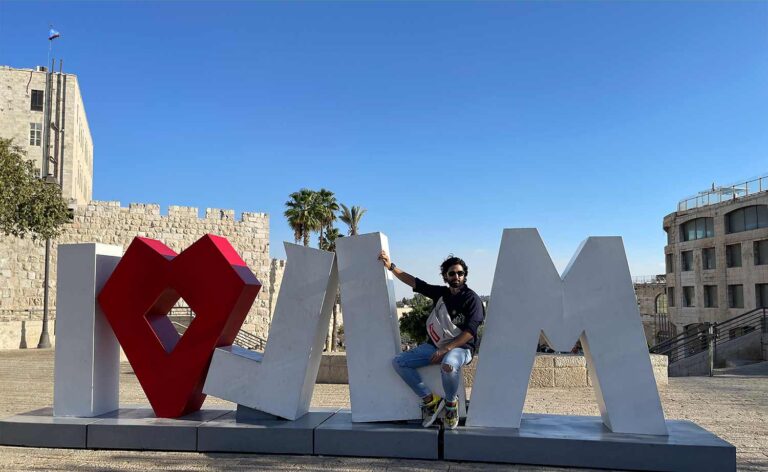
    After living a vibrant and colourful city Tel Aviv almost for a decade, I shifted Jerusalem. Jerusalem is one of the oldest cities in the world, holds profound religious significance for Jews, Christians, and Muslims, making it a unique focal point of faith, history, and culture. Each of these Abrahamic religions regards Jerusalem as a holy city, imbued with deep spiritual meaning and historical importance.

    I am trying to explore why Jerusalem is so important to these three major religions and why it continues to be a place of reverence and pilgrimage ? in this article.

    Jerusalem in Judaism

    Historical and Spiritual Significance

    1. Biblical Roots :
    For Jews, Jerusalem is the city chosen by God. It is first mentioned in the Hebrew Bible as the city of Melchizedek, a priest-king. It later became the capital city of King David around 1000 BCE, and his son Solomon built the First Temple there, establishing Jerusalem as the spiritual center of Jewish worship.

    2. The Temple :
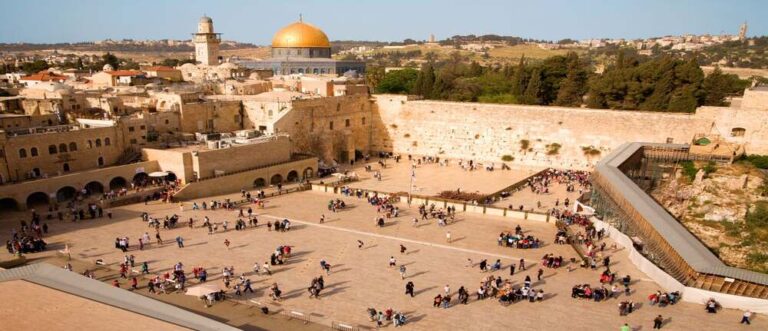
    The Temple Mount, where the First and Second Temples stood, is the holiest site in Judaism. The Temples were considered the dwelling place of God’s presence on earth. The Western Wall, a remnant of the Second Temple, is a sacred site where Jews gather to pray.

    3. Exile and Return :
    The destruction of the First Temple by the Babylonians in 586 BCE and the Second Temple by the Romans in 70 CE marked significant moments of sorrow and longing in Jewish history. The yearning to return to Jerusalem and rebuild the Temple has been a central theme in Jewish prayers and rituals for millennia.

    4. Modern Significance :
    Today, Jerusalem remains the political and spiritual heart of the Jewish people. It is home to numerous synagogues, yeshivas (Jewish educational institutions), and cultural sites. The city’s unification in 1967 during the Six-Day War was seen by many Jews as a fulfillment of ancient prophecies and a pivotal moment in modern Jewish history.

    Jerusalem in Christianity

    Sacred Sites and Events

    1. Life of Jesus :
    Jerusalem is central to Christianity because it is the site of many key events in the life of Jesus Christ. These include his crucifixion, resurrection, and ascension. The Via Dolorosa (Way of Sorrow) is believed to be the path that Jesus walked on the way to his crucifixion.

    2. The Church of the Holy Sepulchre :
    This church is one of the holiest places in Christianity. It is believed to encompass the sites of Jesus’ crucifixion (Golgotha) and his tomb, where Christians believe he was buried and resurrected. Pilgrims from around the world visit the church to venerate these holy sites.

    3. Early Christian Community :
    Jerusalem was the center of the early Christian church. The apostles and early Christians worshipped and preached in the city, making it a foundational place in Christian history.

    4. Pilgrimage and Devotion :
    Over the centuries, Christians have made pilgrimages to Jerusalem to walk in the footsteps of Jesus and experience the sacred geography of their faith. The city’s numerous churches, monasteries, and historical sites continue to draw millions of Christian pilgrims annually.

    Jerusalem in Islam

    Religious and Historical Importance

    1. The Night Journey :
    According to Islamic tradition, Prophet Muhammad was transported from Mecca to Jerusalem during the Night Journey (Isra and Mi’raj). From the Al-Aqsa Mosque, he ascended to the heavens, making Jerusalem the third holiest city in Islam after Mecca and Medina.

    2. The Al-Aqsa Mosque :
    The mosque, located on the Temple Mount (known to Muslims as Haram al-Sharif or the Noble Sanctuary), is a significant site of worship. The Dome of the Rock, with its iconic golden dome, is an Islamic shrine that marks the spot from which Muhammad is believed to have ascended to heaven.

    3. Early Qibla :
    Jerusalem was the first qibla (direction of prayer) for Muslims before it was changed to Mecca. This historical fact underscores the city’s early and enduring significance in Islamic worship.

    4. Ottoman and Islamic Rule :
    Jerusalem has been under Islamic rule for significant periods, including during the Umayyad, Abbasid, and Ottoman caliphates. The city’s architecture, culture, and community life reflect its rich Islamic heritage.

    Shared Reverence and Contemporary Importance

    Interfaith Significance

    1. Shared Heritage :
    Jerusalem is a unique city where the spiritual heritages of Judaism, Christianity, and Islam intersect. This shared reverence is evident in the city’s diverse religious landscape, with synagogues, churches, and mosques coexisting within its ancient walls.

    2. Pilgrimage Destination :
    For all three religions, Jerusalem is a major pilgrimage destination. Pilgrims seek to connect with their faith’s historical roots, experience sacred rituals, and participate in religious festivals and ceremonies.

    3. Cultural and Political Center :
    Beyond its religious significance, Jerusalem is also a cultural and political center. It is a city of immense historical layers, reflecting the rich tapestry of human civilization. Its museums, universities, and cultural institutions make it a focal point of learning and culture.

    Challenges and Hopes

    Political and Social Dimensions

    1. Contested City :
    The political status of Jerusalem is one of the most contentious issues in the Israeli-Palestinian conflict. Both Israelis and Palestinians claim Jerusalem as their capital, leading to complex and often tense political dynamics.

    2. Peace Efforts :
    Despite the conflicts, there are ongoing efforts to promote peace and interfaith dialogue in Jerusalem. Numerous organizations and initiatives work towards fostering mutual understanding and coexistence among the city’s diverse religious and ethnic communities.

    3. Future Aspirations :
    The hope for many is that Jerusalem can be a city of peace where all its inhabitants and visitors can worship freely and live in harmony. The city’s sacred significance and historical importance make it a symbol of the enduring quest for peace and reconciliation.

    Jerusalem’s profound importance to Jews, Christians, and Muslims is rooted in its rich history, spiritual heritage, and sacred geography. As a city that has witnessed the rise and fall of empires, the birth of religions, and the enduring quest for peace, Jerusalem remains a unique and cherished focal point of faith and devotion. Its significance transcends religious boundaries, making it a place of universal reverence and a beacon of hope for a harmonious future.
    The Importance of SEO for Business in the Competent Digital World

    0

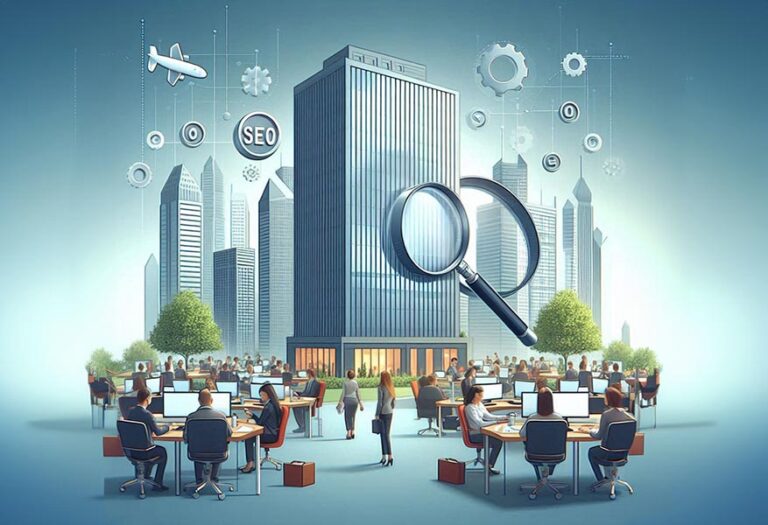
    In today’s fast-paced digital world, businesses face intense competition online. The internet has transformed how consumers discover, evaluate, and purchase products and services. As a result, Search Engine Optimization (SEO) has become a crucial strategy for businesses aiming to enhance their online presence, attract organic traffic, and stay ahead of the competition. This article explores the importance of SEO for businesses and why it is indispensable in the digital age.

    Understanding SEO

    SEO is the practice of optimizing a website to rank higher on search engine results pages (SERPs) for specific keywords and phrases. It involves a combination of on-page and off-page strategies designed to improve the website’s visibility, usability, and relevance to search engines and users. SEO encompasses various elements, including keyword research, content creation, link building, and technical optimization.

    The Role of SEO in the Digital Age

    1. Increased Online Visibility

    One of the primary benefits of SEO is increased online visibility. When potential customers search for products or services related to your business, appearing on the first page of search results is crucial. Studies show that the majority of users rarely go beyond the first page of search results. Therefore, a higher ranking can significantly increase your chances of being noticed by your target audience.

    2. Driving Organic Traffic

    Organic traffic, or non-paid traffic from search engines, is a vital source of visitors for any website. SEO helps attract high-quality traffic by targeting users actively searching for information, products, or services related to your business. This means that these visitors are more likely to convert into customers, as they have a clear intent behind their search.

    3. Cost-Effective Marketing

    Compared to other digital marketing strategies like pay-per-click (PPC) advertising, SEO is a cost-effective solution. While SEO requires an initial investment in time and resources, its long-term benefits far outweigh the costs. Once your website starts ranking well, you can enjoy a steady stream of organic traffic without continually paying for ads.

    4. Building Credibility and Trust

    Users tend to trust websites that appear on the first page of search results. High rankings are often perceived as a vote of confidence from search engines, indicating that your website is relevant and trustworthy. By investing in SEO, you can build credibility and trust with your audience, which is essential for long-term business success.

    5. Enhancing User Experience

    SEO is not just about optimizing for search engines; it’s also about improving the overall user experience. A well-optimized website is easy to navigate, loads quickly, and provides valuable content. These factors contribute to a positive user experience, which can lead to higher engagement, lower bounce rates, and increased conversions.

    6. Staying Ahead of Competitors

    In a competitive digital landscape, staying ahead of your competitors is crucial. If your competitors are investing in SEO and you are not, you risk falling behind. By implementing effective SEO strategies, you can outperform your competitors, capture more market share, and establish your brand as a leader in your industry.

    7. Adaptability and Long-Term Results

    The digital landscape is constantly evolving, with search engine algorithms frequently updated to provide better user experiences. SEO strategies are adaptable and can be adjusted to align with these changes, ensuring that your website remains optimized. Unlike paid advertising, the results of a well-executed SEO strategy are long-lasting, providing sustained traffic and visibility over time.

     Key SEO Strategies for Business Success

    To reap the benefits of SEO, businesses need to implement a comprehensive strategy that includes the following key components:

    1. Keyword Research and Optimization

    Identifying the right keywords is the foundation of any successful SEO strategy. Use tools like Google Keyword Planner, Ahrefs, or SEMrush to find relevant keywords with high search volumes and low competition. Incorporate these keywords naturally into your website’s content, meta descriptions, headers, and URLs.

    2. High-Quality Content Creation

    Content is king in the world of SEO. Create valuable, informative, and engaging content that addresses the needs and interests of your target audience. Regularly update your blog with fresh content, including articles, infographics, videos, and podcasts. High-quality content not only attracts visitors but also encourages them to stay longer and explore your website.

    3. On-Page SEO

    On-pageSEO involves optimizing individual web pages to rank higher and earn more relevant traffic. This includes optimizing title tags, meta descriptions, header tags, and image alt text. Ensure that your content is well-structured and easy to read, with appropriate keyword usage and internal linking.

    4. Technical SEO

    Technical SEO focuses on the backend of your website, ensuring that it is free of technical issues that could hinder search engine crawling and indexing. This includes optimizing site speed, mobile-friendliness, XML sitemaps, and fixing broken links. A technically sound website provides a better user experience and improves search engine rankings.

    5. Link Building

    Building high-quality backlinks from reputable websites is a critical aspect of SEO. Backlinks act as votes of confidence, signaling to search engines that your content is valuable and trustworthy. Focus on acquiring backlinks through guest posting, influencer outreach, and creating shareable content.

    6. Local SEO

    For businesses with a physical presence, local SEO is essential. Optimize your Google My Business profile, ensure consistent NAP (Name, Address, Phone) information across directories, and gather positive customer reviews. Local SEO helps you attract nearby customers searching for products or services in your area.

    7. Monitoring and Analytics

    Regularly monitor your SEO performance using tools like Google Analytics and Google Search Console. Track key metrics such as organic traffic, bounce rates, conversion rates, and keyword rankings. Analyze the data to identify areas for improvement and adjust your strategies accordingly.

    In the competitive digital world, SEO is no longer optional but a necessity for business success. By increasing online visibility, driving organic traffic, and building credibility, SEO provides a strong foundation for growth. Implementing a comprehensive SEO strategy that includes keyword optimization, high-quality content, technical SEO, and link building can help businesses stay ahead of the competition and achieve long-term success. Investing in SEO is investing in the future of your business, ensuring that you remain relevant and competitive in the ever-evolving digital landscape.

    Saba’s last wish

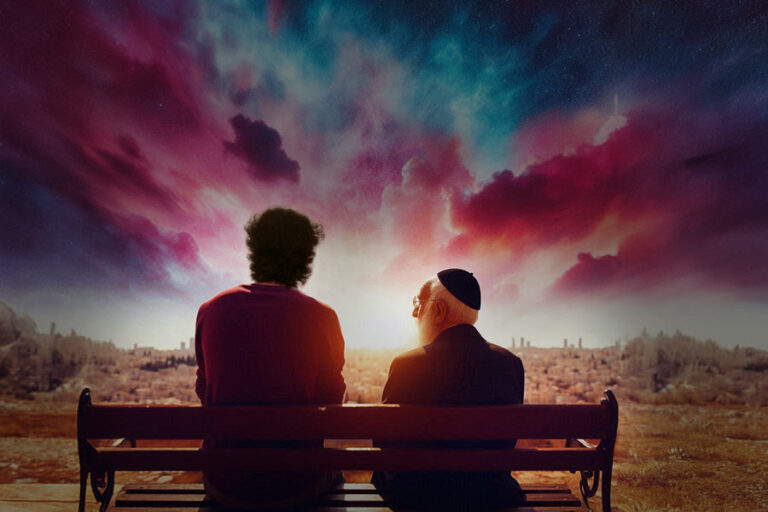
    In the tapestry of my life, one remarkable thread was woven by the presence of my dear employer, a figure so akin to a grandfather in his perpetual happiness and unwavering positivity. His countenance, adorned with an ever-present smile, became a beacon of warmth for everyone fortunate enough to cross his path.

    Even as life’s inevitable challenges unfolded, Grandpa stood resilient, never betraying a hint of anger, pain, or sorrow. His sweet and lovable nature endeared him to all, creating a magnetic charm that captured hearts effortlessly.

    In his final days, a subtle confusion lingered in his eyes, and it dawned on me that he was preparing to bid farewell to this world, transcending to a divine home beyond our mortal comprehension. It stirred a belief within me that the cycles of birth and death are orchestrated by an eternal power or the benevolent forces of an almighty creator, perhaps Mother Nature herself.

    In those poignant moments, Grandpa expressed an unexpected desire—to return to his mother’s home. The man who never harbored disappointment or discontent towards me now sought a final journey to the place where our souls truly belong. In that fleeting instance of his only expressed wish, I found myself at a loss, unsure of how to fulfill this poignant request.

    Reflecting now, I realize the sincerity in every word he spoke. His longing for his mother’s house was an echo of the innate connection we all share with our roots. Dear Grandpa, or as he fondly called himself, Saba, may your soul find eternal happiness and peace in the realm beyond. Bless us from wherever you are, and may your perpetual smile continue to illuminate our lives.

    As a caregiver, I had the privilege of a brief span of time in your service, yet your memory lingers on. We love you, we miss you, and your legacy lives on in the hearts that were touched by your unwavering positivity.

     A Traveler’s Journal: Revisiting Al-Aqsa Mosque

    0


    2014: A Peaceful Exploration

    My first visit to Al-Aqsa Mosque in 2014 was an unforgettable experience. Nestled within the ancient walls of Jerusalem’s Old City, Al-Aqsa stands as a beacon of history, faith, and culture. I remember walking through the bustling streets, feeling the city’s energy and anticipation as I approached the Haram al-Sharif, or the Noble Sanctuary.

    Entering through the designated tourist gate, I felt a profound sense of awe. The mosque’s beautiful architecture, with its vast courtyard and the majestic Dome of the Rock nearby, captivated me. The atmosphere was serene; the gentle murmur of prayers from devout Muslims mixed with the whispers of tourists like myself, all sharing in the reverence of this sacred place.

    I spent hours wandering the grounds, absorbing the history that seeped from every stone. The Al-Aqsa Mosque, constructed in the early 8th century, has witnessed countless events that shaped not just Jerusalem but the world. Its significance to Islam, as the place from which Prophet Muhammad is believed to have ascended to heaven, adds layers of spiritual depth to its historical importance.

    2024: A Tense Return

    Fast forward to 2024, and my return visit to Al-Aqsa Mosque felt markedly different. The city of Jerusalem still pulsed with its unique blend of ancient and modern, but the atmosphere around the mosque had noticeably shifted. Security was visibly tighter, and there was a palpable tension in the air.

    As I approached the entrance, I was met with rigorous security checks. The once simple entry process had transformed into a detailed screening procedure, reflecting the heightened tensions and political complexities of the region. I was directed to the tourist entrance, separate from the entrances used by religious Muslims. This segregation was intended to maintain order and respect the sanctity of the mosque for worshippers.

    Upon finally entering the mosque complex, I felt a sense of urgency. It was nearly 2 PM, and I was informed that the mosque would soon close to tourists. My time was limited, and the leisurely exploration I had enjoyed in 2014 was no longer an option. With only ten minutes to spare, I made my way through the familiar grounds, this time under the watchful eyes of security personnel.

    Despite the brief visit, the beauty and significance of Al-Aqsa Mosque were undiminished. The sight of the Dome of the Rock, with its stunning golden dome, and the serene expanse of the mosque’s courtyards, still evoked a deep sense of reverence. Yet, the experience was now framed by the reality of the political and social tensions that surround this sacred site.

    Reflections on Change

    The contrast between my visits in 2014 and 2024 highlighted the evolving nature of Jerusalem and its sacred spaces. Al-Aqsa Mosque remains a profound symbol of faith for Muslims, while also being a site of interest for Jews and Christians due to its historical and religious significance. This shared reverence is both a source of unity and a point of contention.

    The increased security measures are a response to the complex political landscape and the need to protect this revered site. Incidents of violence and unrest have necessitated these changes, reflecting the fragile balance that exists in Jerusalem. The separate entrances for tourists and worshippers, while practical, underscore the delicate interplay of respect, security, and accessibility.

    At last

    My journey to Al-Aqsa Mosque, both in 2014 and 2024, underscores the timeless allure of this sacred place and the profound impact of historical and contemporary events on its accessibility and atmosphere. Despite the changes and challenges, Al-Aqsa remains a site of deep spiritual significance and historical importance.

    For travelers, visiting Al-Aqsa Mosque is an opportunity to connect with a place that has shaped the religious and cultural fabric of the world. It is a reminder of the enduring power of faith and the complexities of preserving such a revered site amidst the ever-evolving dynamics of the region.

    Tel Aviv Museum of Art: A Historical and Cultural Beacon

    The Tel Aviv Museum of Art stands as one of Israel’s foremost cultural institutions, embodying the city’s vibrant artistic spirit and its commitment to fostering creativity. Established in 1932, the museum has grown from a modest collection into a world-class institution renowned for its diverse exhibitions, innovative architecture, and significant contributions to the global art community. This article explores the rich history of the Tel Aviv Museum of Art, its evolution over the decades, and its current role in the art world.

    Founding and Early Years

    The Tel Aviv Museum of Art was inaugurated on April 19, 1932, in the home of Tel Aviv’s first mayor, Meir Dizengoff. The museum’s founding was a testament to the cultural ambitions of the young city, which had been established only two decades earlier. Dizengoff’s private residence, located on Rothschild Boulevard, became the museum’s first home, symbolizing the city’s commitment to cultural enrichment and artistic development.

    In its early years, the museum focused on collecting and exhibiting works by both Israeli and international artists. The collection initially comprised mainly local art, reflecting the burgeoning art scene in Tel Aviv and Israel. The museum quickly became a central hub for artists, intellectuals, and the general public, fostering a vibrant cultural community.

    Expansion and New Buildings

    As the museum’s collection and reputation grew, the need for a larger, more suitable space became evident. In 1959, a new building was opened on King Saul Avenue, designed by architects Dov Karmi, Zvi Meltzer, and Yacov Rechter. This modernist structure marked a significant milestone in the museum’s history, providing ample space for exhibitions and activities.

    The new facility allowed the museum to expand its programming and outreach, hosting major exhibitions of international and Israeli art. The 1970s and 1980s were particularly fruitful decades, with the museum acquiring important works by modern masters such as Marc Chagall, Pablo Picasso, and Jackson Pollock. These acquisitions solidified the museum’s status as a leading art institution not only in Israel but also in the international art scene.

    The Helena Rubinstein Pavilion

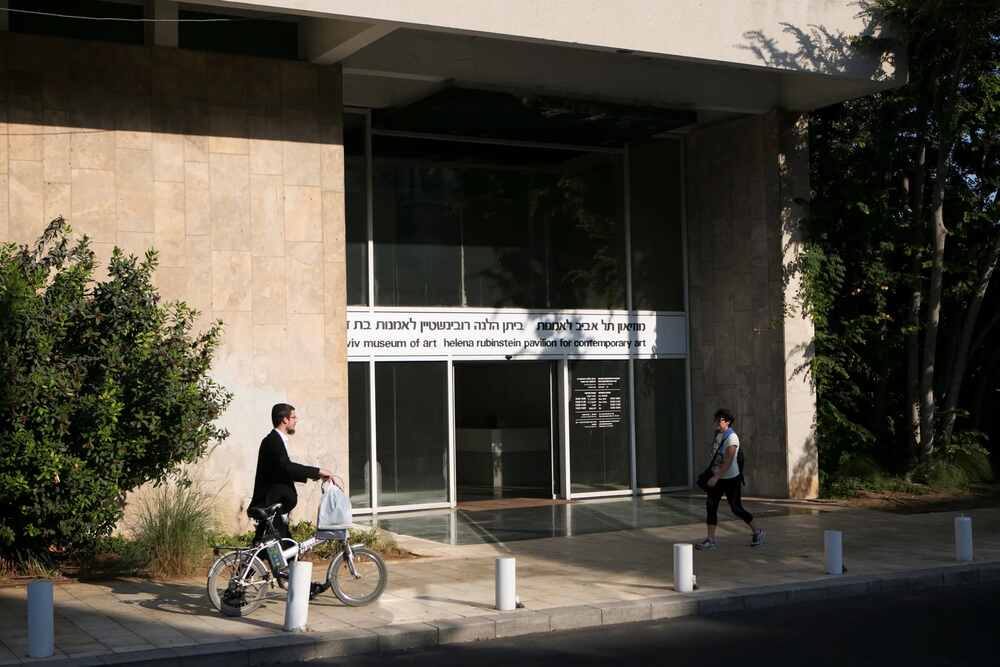
    Helena Rubinstein Pavilion (Habimah Square)
    This is section where private fine art courses are also conducted by famous Artists.

    In 1959, the museum also inaugurated the Helena Rubinstein Pavilion for Contemporary Art, located in the heart of Tel Aviv. This pavilion was dedicated to contemporary art, showcasing cutting-edge works by emerging and established artists from Israel and around the world. The Helena Rubinstein Pavilion played a crucial role in promoting contemporary art and providing a platform for experimental and avant-garde projects.

    The Herta and Paul Amir Building

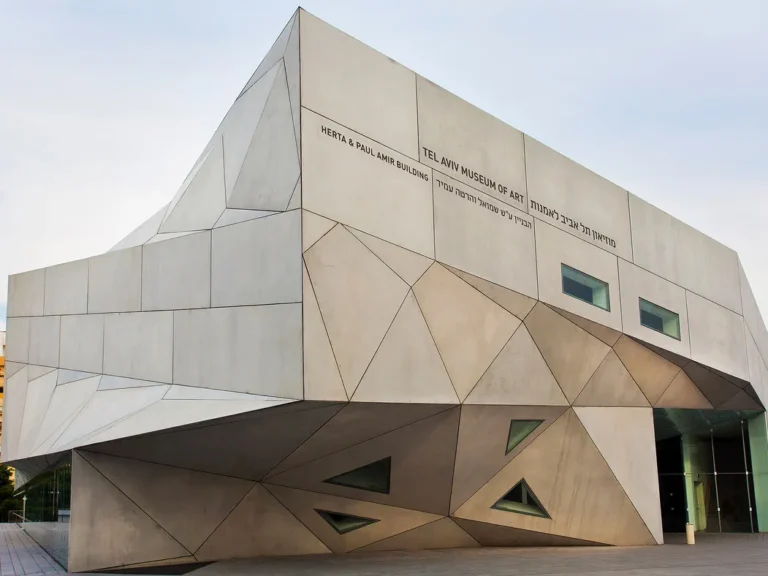
    The most significant expansion in recent years was the opening of the Herta and Paul Amir Building in 2011. Designed by American architect Preston Scott Cohen, this architectural masterpiece features a striking geometric design with cantilevered structures and expansive, naturally lit galleries. The Amir Building added 18,500 square meters of space to the museum, including new galleries, an auditorium, a library, and educational facilities.

    The addition of the Amir Building transformed the museum’s capabilities, enabling it to host larger and more ambitious exhibitions. It also underscored the museum’s commitment to innovative design and architectural excellence, enhancing its status as a cultural landmark in Tel Aviv.

    Notable Exhibitions and Collections

    The Tel Aviv Museum of Art houses an extensive and diverse collection, ranging from classical to contemporary art. Its permanent collection includes significant works by Israeli artists such as Reuven Rubin, Nahum Gutman, and Michal Rovner, providing a comprehensive overview of the country’s artistic evolution.

    In addition to Israeli art, the museum boasts an impressive collection of European and American art. Highlights include works by impressionists and post-impressionists like Claude Monet, Henri Matisse, and Vincent van Gogh, as well as modern and contemporary pieces by artists such as Mark Rothko, Andy Warhol, and Jeff Koons.

    The museum is also known for its dynamic temporary exhibitions, which have featured works by renowned artists such as Yayoi Kusama, Anselm Kiefer, and Marina Abramović. These exhibitions attract a global audience and contribute to Tel Aviv’s reputation as a vibrant, cosmopolitan city.

    Educational and Cultural Programs

    Beyond its exhibitions, the Tel Aviv Museum of Art is deeply committed to education and community engagement. The museum offers a wide range of educational programs, workshops, and lectures aimed at diverse audiences, from children and families to students and art professionals. These programs foster a deeper understanding and appreciation of art, encouraging creativity and critical thinking.

    The museum also collaborates with local and international cultural institutions, universities, and schools, promoting cross-cultural dialogue and exchange. Its public programs, including film screenings, concerts, and performances, further enrich the cultural life of Tel Aviv and its residents.

    The Museum Today

    Today, the Tel Aviv Museum of Art continues to thrive as a beacon of culture and creativity. It attracts hundreds of thousands of visitors annually, offering a rich array of exhibitions, programs, and events that reflect the dynamic and diverse nature of contemporary art.

    The museum’s ongoing commitment to innovation and excellence ensures that it remains at the forefront of the global art scene. Its vision for the future includes expanding its collections, enhancing its educational initiatives, and continuing to serve as a vibrant cultural hub for both local and international audiences.

    The Tel Aviv Museum of Art’s journey from a small collection in a mayor’s home to a world-class institution is a testament to the power of art to inspire, educate, and unite. As it continues to evolve and expand, the museum remains a vital part of Tel Aviv’s cultural landscape, embodying the city’s spirit of innovation, creativity, and inclusivity. Its rich history and ongoing contributions to the art world make it an essential destination for art lovers and a cornerstone of Israeli cultural heritage.

    Menashe Kadishman: The Life and Art of an Iconic Israeli Artist


    Menashe Kadishman, born on August 21, 1932, in Tel Aviv, is one of Israel’s most celebrated artists. Known for his unique blend of sculpture and painting, Kadishman’s work reflects his deep connection to nature, his experiences in the Israeli army, and his innovative artistic vision. This article delves into the childhood, formative years, and illustrious career of Menashe Kadishman, highlighting the influences and milestones that shaped his artistic journey.

     Early Life and Childhood

    Menashe Kadishman was born into a modest family in Tel Aviv. His father, who worked as a builder, passed away when Menashe was just 15 years old, leaving his mother to support the family. Despite the hardships, Kadishman’s childhood was marked by a profound connection to nature and animals, themes that would later become central to his work.

    As a child, Kadishman spent a significant amount of time in the countryside, where he developed a deep appreciation for the pastoral landscapes and the animals that inhabited them. These early experiences in nature not only provided solace but also served as a rich source of inspiration for his future artworks.

    Formative Years and Military Service

    At the age of 18, Kadishman joined the Israeli army and served as a shepherd in a military agricultural unit. This period was pivotal in his life, as it reinforced his bond with nature and animals. The experience of tending sheep in the hills of Israel left an indelible mark on Kadishman, influencing his artistic themes and style.

    After completing his military service, Kadishman pursued formal art education. He studied under Israeli sculptors Moshe Sternschuss and Rudi Lehmann, who were instrumental in shaping his early artistic development. Sternschuss and Lehmann introduced Kadishman to various sculptural techniques and encouraged him to explore his unique voice as an artist.

    Artistic Evolution and Early Career

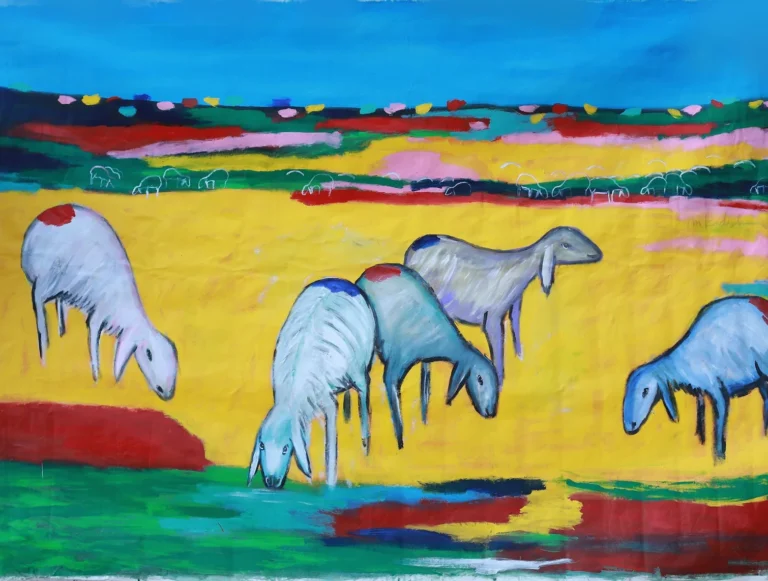
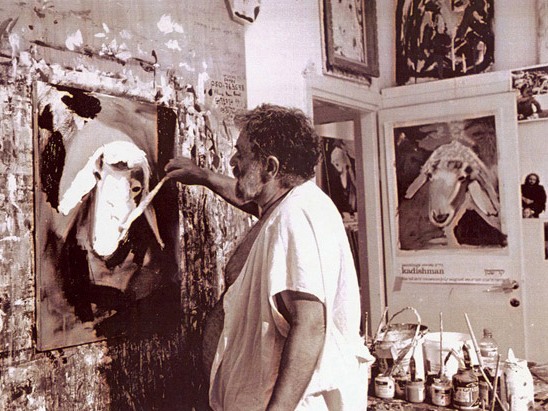
    Menashe Kadishman painting sheep

    In the late 1950s, Kadishman traveled to London to further his studies at the Saint Martin’s School of Art and the Slade School of Fine Art. During his time in London, Kadishman was exposed to the burgeoning modernist movement, which greatly influenced his work. He experimented with abstraction and minimalism, incorporating these elements into his sculptures and installations.

    Kadishman’s early works primarily consisted of abstract metal sculptures. He gained recognition for his innovative use of industrial materials and his ability to infuse them with organic forms. His sculptures often explored the relationship between nature and industrialization, a theme that resonated with audiences and critics alike.

    Return to Israel and Rise to Prominence

    Upon returning to Israel in the 1960s, Kadishman continued to develop his artistic practice. He began to incorporate painting into his repertoire, creating a distinctive style that blended sculpture and painting. One of his most iconic series, “The Sheep Paintings,” emerged during this period. These paintings featured colorful, expressive depictions of sheep, a motif that symbolized innocence, sacrifice, and the pastoral life he cherished.

    Kadishman’s sheep paintings became emblematic of his work, garnering widespread acclaim both in Israel and internationally. The simplicity and emotional depth of these works resonated with audiences, making them some of his most beloved pieces. The sheep motif also allowed Kadishman to explore themes of identity, spirituality, and human connection to nature.

    In addition to his paintings, Kadishman continued to create large-scale sculptures. His works were featured in numerous exhibitions worldwide, and he represented Israel at the prestigious Venice Biennale in 1978. One of his notable public sculptures, “Suspended,” is a monumental piece installed at the Tel Aviv Museum of Art. The sculpture features a massive, suspended steel disk that seems to defy gravity, exemplifying Kadishman’s mastery of form and balance.

    Later Life and Legacy

    Throughout his career, Kadishman received numerous accolades for his contributions to art. In 1995, he was awarded the Israel Prize for sculpture, one of the country’s highest honors. His work continued to evolve, with later pieces incorporating elements of performance and environmental art.

    Menashe Kadishman passed away on May 8, 2015, leaving behind a rich legacy that continues to inspire artists and art enthusiasts around the world. His unique ability to blend the natural and industrial, the abstract and the representational, has cemented his place as a pivotal figure in Israeli art.

    Kadishman’s influence extends beyond his artwork. He was a mentor to many young artists, imparting his knowledge and passion for art. His contributions to the Israeli art scene have been profound, helping to shape its development and international reputation.

    Menashe Kadishman’s life and art are a testament to the power of nature and the human spirit. From his humble beginnings in Tel Aviv to his rise as an internationally renowned artist, Kadishman remained true to his roots, continually drawing inspiration from the pastoral landscapes and animals he loved. His innovative approach to sculpture and painting has left an indelible mark on the art world, ensuring that his legacy will endure for generations to come.