








Now Reading: Bringing Home the Gods: How Online Activists are Saving Nepal’s Stolen Treasures
-
01
Bringing Home the Gods: How Online Activists are Saving Nepal’s Stolen Treasures
Bringing Home the Gods: How Online Activists are Saving Nepal’s Stolen Treasures

For decades, the sacred temples and stunning palaces of Nepal have been missing something vital. Since the 1950s, and especially during the ’70s and ’80s, thousands of precious artifacts were stolen or looted from the country and sold to foreign museums and private collectors.
But today, the tide is turning. A dedicated group of online activists and digital detectives is working tirelessly to track down these “lost gods” and bring them home where they belong.
The Birth of a Movement
The current push to get these treasures back really gained momentum in 2015. Following a devastating earthquake that killed nearly 9,000 people and damaged many heritage sites, an anonymous whistleblower launched a Facebook page called Lost Arts of Nepal.
The founder stays anonymous to ensure the focus remains on the community and the mission, rather than on one person. Their goal? To document and spread awareness of Nepal’s lost heritage currently sitting in foreign auction houses and museums. Today, this page has over 23,000 followers who help keep an eye out for stolen items.

It’s About Faith, Not Just Art
For the people of Nepal, these items are not just “art objects.” As the founder of Lost Arts of Nepal explains, when these items are taken, “they have stolen our faith”. This movement isn’t just about recovering old statues; it is about restoring the living culture of a country where these objects are still considered sacred.
How Digital Detectives Find Stolen Treasures
You might wonder how someone on a laptop in Nepal can find a stolen mask in New York. The process is a fascinating blend of modern technology and old-school research:
- Online Archives: Activists like Roshan Mishra, director of the Taragaon Museum, created the Global Nepali Museum, an online archive with over 5,000 objects held in foreign institutions.
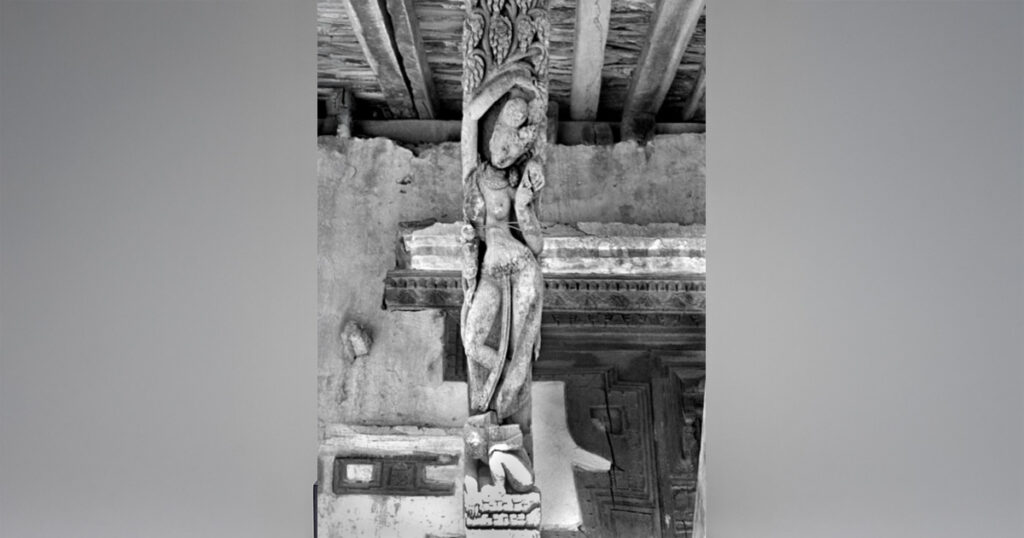
- Matching Records: When a museum posts a photo of an artifact online, activists compare it to old photographs from early travelers, books, local community records, and even oral histories shared by elders.
- Social Media Pressure: If a museum is slow to respond, activists use social media platforms like X (formerly Twitter) and Facebook to raise public awareness and pressure institutions to do the right thing.
Once a match is confirmed, the activists work with the National Heritage Recovery Campaign (NHRC) and the Nepalese government to start a formal legal process for the item’s return.
Big Wins and Big Challenges
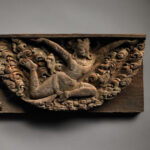
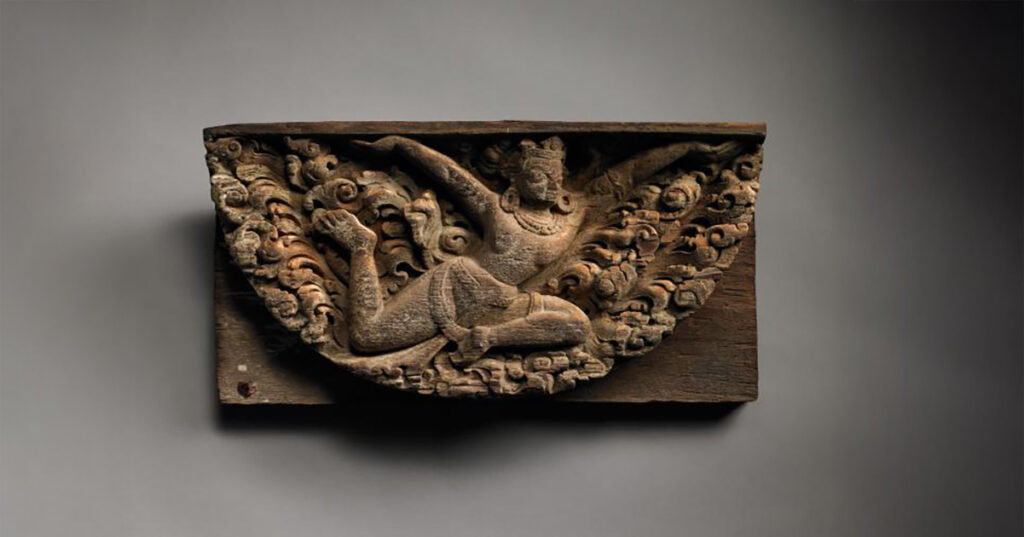
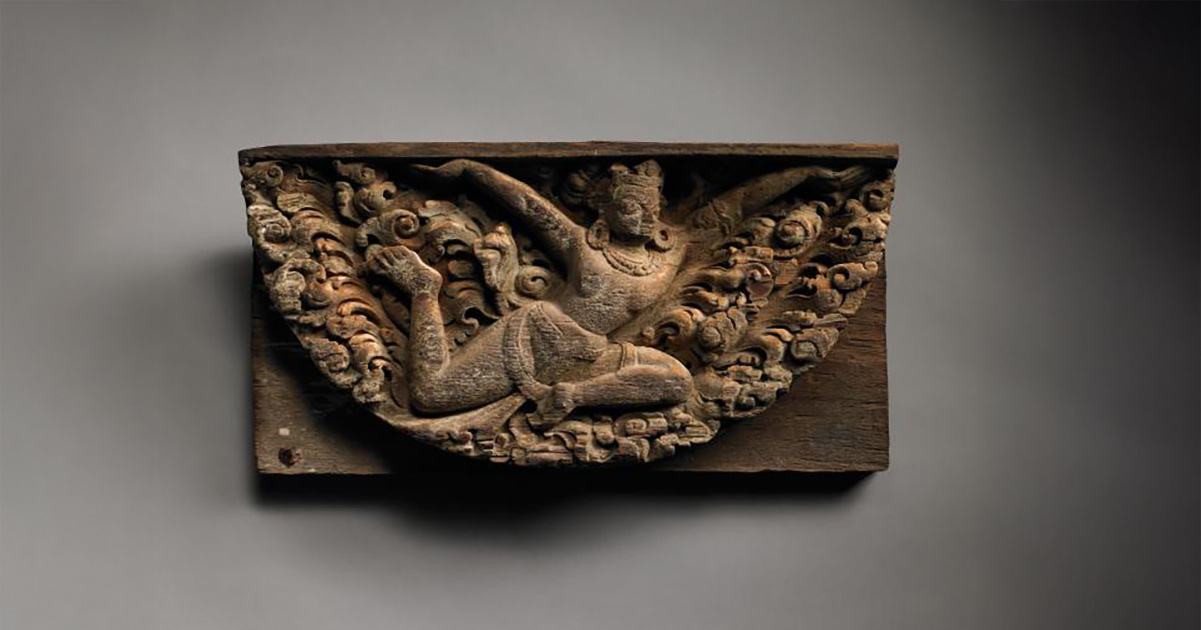
700 years old woodcraft Itumbahal / The Rubin Museum of Art (Photo: NHRC)
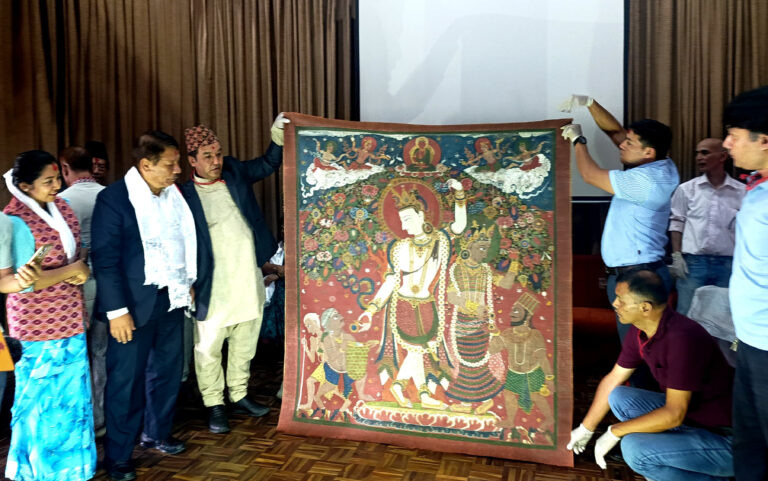
So far, the results have been inspiring! The government of Nepal has successfully recovered 143 stolen antiquities from abroad.
One major victory involved a pair of gilt-bronze Bhairava masks valued at over $1 million. These masks were stolen in the 1990s and ended up in New York and Dallas museums. Thanks to an anonymous tip, they were finally returned in December 2023. Another success saw an 800-year-old stone idol of Lakshmi Narayan returned from the Dallas Museum of Art, with the shipping company UPS even stepping in to help pay for the transport.
However, it isn’t always easy. Some institutions, like the Art Institute of Chicago, have been slower to return items, such as a 17th-century necklace dedicated to the goddess Taleju Bhawani. Additionally, funding is a major hurdle; the Nepalese government often doesn’t have a budget for the expensive packaging and shipping required to bring these heavy artifacts back home.
The Power of Awareness
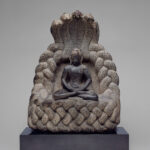
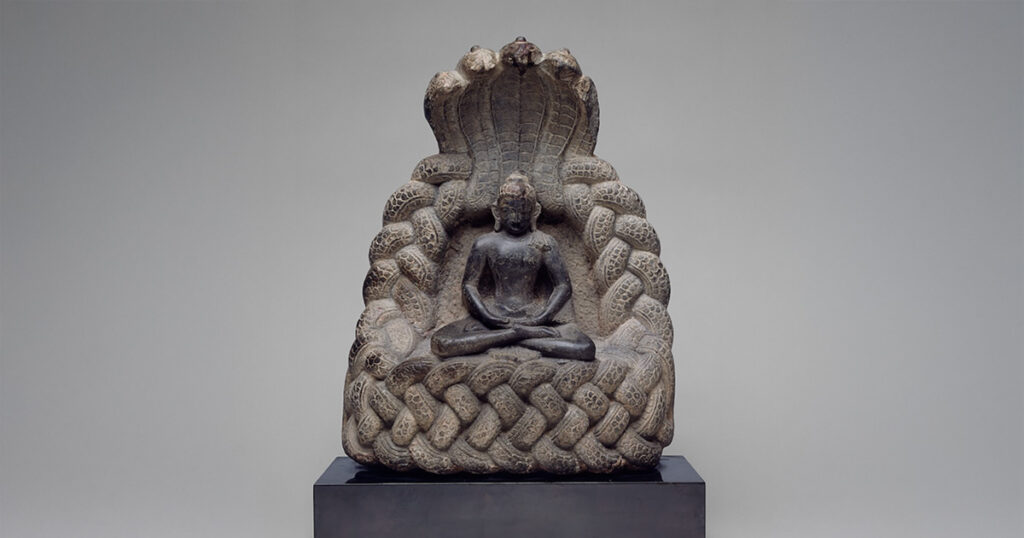
The work of these activists is making a real difference in the art world. Museums and auction houses are now more cautious about where they get their items. For example, a rare 9th-century Buddha figure recently failed to sell at an auction after activists highlighted its questionable history.
While hundreds of thousands of items are still missing, these activists aren’t giving up. They are proving that with a little bit of internet sleuthing and a lot of heart, you can help restore a nation’s history.
Analogy for Understanding: Think of these activists like digital archaeologists. While traditional archaeologists use shovels to find history buried in the ground, these activists use search engines and social media to find history “buried” in plain sight on museum websites across the world. They are rebuilding their country’s broken heart, one digital match at a time.


Krishna Paksha Thapa (KANXEY) is an art lover, illustrator, and storyteller from Nepal (Now in Israel). An independent creator who loves to write and paint, he brings stories to life through sketches, words, and visual expression.