

Now Reading: Father – Award Wining Animated Film
-
01
Father – Award Wining Animated Film

The Silence Between Us: A Journey Through the Animated Film “Father”
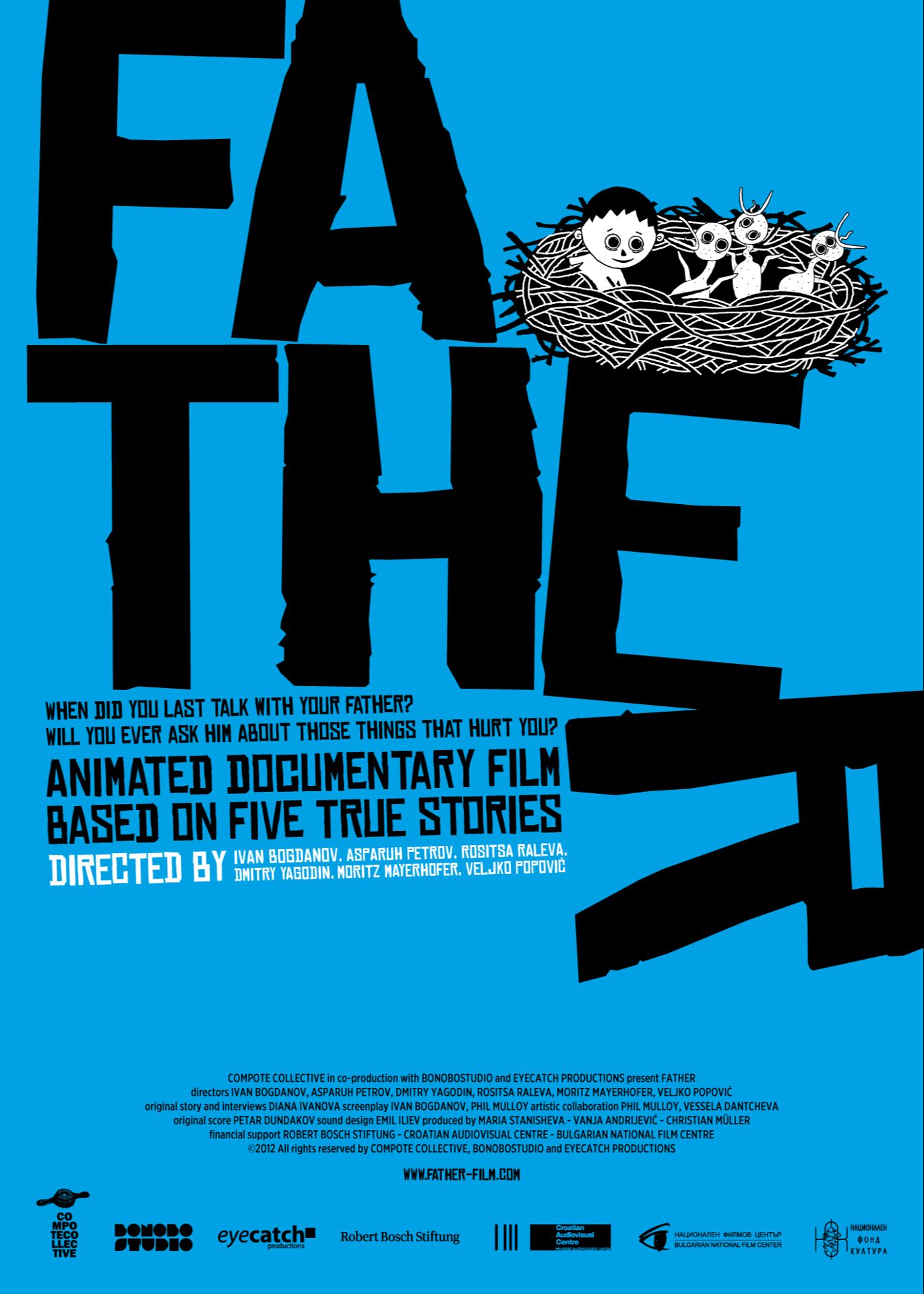
When did you last truly talk with your father? We often carry a weight of questions we never ask—the things that hurt us, the things we don’t understand, and the words that stay locked behind a wall of silence. The animated short film “Father” (FATHER) stepped into this quiet space to create what its creators call an “impossible dialogue,” giving a voice to the conversations between children and parents that never actually happen in real life.
A Tapestry of True Stories
Conceived by Ivan Bogdanov and born from real-life interviews conducted by Diana Ivanova, the film serves as a moving animated documentary. It weaves together five distinct stories based on the authentic experiences of individuals navigating the “unspoken difference” between themselves and their fathers. Through these narratives, the film explores heavy yet universal themes of unresolved family issues, sacrifice, and the complex reality of fatherhood.
A Collaborative Work of Art
The beauty of “Father” lies in its unique, collaborative spirit. It is an international co-production involving talents from Bulgaria, Croatia, and Germany, produced by Compote Collective in partnership with Bonobostudio and Eyecatch Productions.
Instead of a single vision, the film features a blend of animation styles, as a team of directors—Ivan Bogdanov, Moritz Mayerhofer, Asparuh Petrov, Rositsa Raleva, Dmitry Yagodin, and Veljko Popović—each brought their own aesthetic to the documentary material. This artistic choice allows each story to feel like its own intimate world, yet they all connect to the central heartbeat of the film: the struggle to bridge the gap between generations.

Global Recognition and Heartfelt Impact
The world has responded deeply to this soulful creative work. “Father” has enjoyed a massive festival life, screening at over 150 international animation and film festivals, including prestigious venues like Annecy, London, and Stuttgart.
The film’s artistry has been validated by 26 awards from around the globe. Notable accolades include:
- The Golden Dove Award for Animated Film at DOK Leipzig.
- The 1st Prize for Animated Documentary Film at the Chicago International Children’s Film Festival.
- The Grand Prix at Golden Kuker.
- Recognition at the Anim’est and the European Film Festival Lille.
“Father” is more than just an animated short; it is an exploration of the human heart. By turning the reality of life upside down, it invites us to look at our own family histories with a bit more clarity and perhaps a little more grace. It reminds us that even when a dialogue seems impossible, the search for truth and understanding is a journey worth taking.


Krishna Paksha Thapa (KANXEY) is an art lover, illustrator, and storyteller from Nepal (Now in Israel). An independent creator who loves to write and paint, he brings stories to life through sketches, words, and visual expression.