





Now Reading: A Sacred Homecoming: Nepal Reinstalls a Stolen 13th-Century Buddha After Four Decades
-
01
A Sacred Homecoming: Nepal Reinstalls a Stolen 13th-Century Buddha After Four Decades
A Sacred Homecoming: Nepal Reinstalls a Stolen 13th-Century Buddha After Four Decades

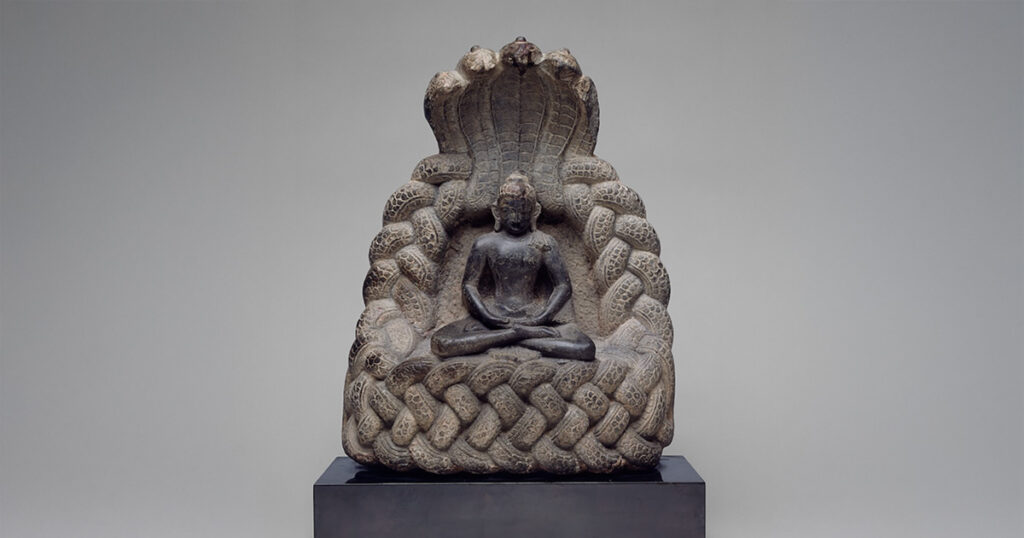
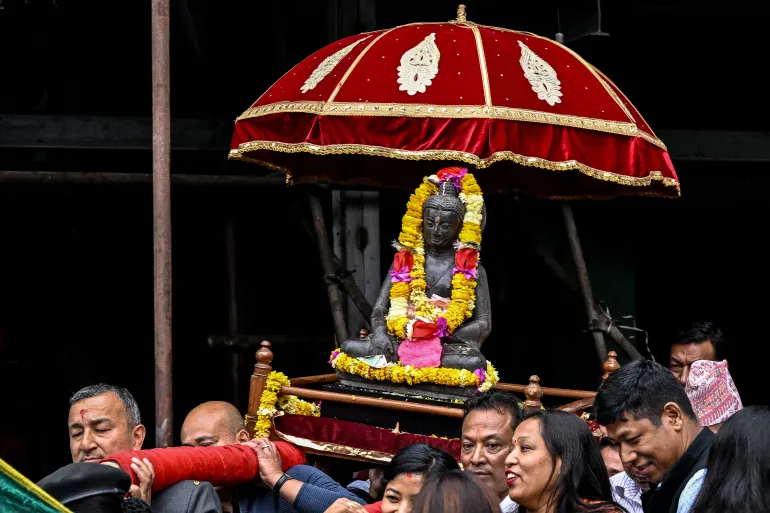
KATHMANDU — Beneath the sound of traditional Newar drums and the prayers of hundreds of devotees, a 13th-century Buddha statue finally returned to the place it had once called home.
More than four decades after it was stolen from a monastery in Kathmandu, the centuries-old sculpture was ceremonially reinstalled at Nhuchhe Bahal (Vajradhatu Mahavihar), marking one of Nepal’s most significant cultural repatriation milestones in recent years. The emotional ceremony coincided with Buddha Jayanti, the annual celebration of the birth of Lord Buddha, transforming the occasion into both a religious festival and a historic act of cultural justice.
For the local community, the return represented far more than the recovery of an ancient artwork. It marked the restoration of a living deity whose absence had been deeply felt for generations.
A Journey Interrupted
The Buddha sculpture, believed to date back to the 13th century, disappeared from the monastery during the 1980s, a period when many of Nepal’s priceless religious artifacts were trafficked into international art collections.

Years later, the statue surfaced in the collection of Tibet House US in New York, where it had reportedly been donated by an unidentified monk. Following collaborative efforts involving heritage activists, Nepal’s Department of Archaeology and international partners, the sculpture was repatriated to Nepal in March 2022. Since then, it had remained under the care of the Department of Archaeology while preparations were made for its return to its original shrine.
More Than an Artwork
Unlike many museum objects, Nepal’s ancient religious sculptures continue to serve as living icons of worship.
As the Buddha was carried through Kathmandu in a traditional palanquin accompanied by musicians and devotees, many residents described the moment as the return of a member of their own community rather than simply the recovery of an archaeological treasure. A replica that had temporarily occupied the shrine was respectfully relocated to make way for the original image.Heritage experts have long argued that sacred sculptures belong not only to history but also to the communities that continue to worship them. Their cultural meaning, they say, cannot be separated from the temples for which they were originally created.
Nepal’s Growing Success in Cultural Repatriation
The Buddha’s return reflects Nepal’s expanding efforts to recover cultural heritage lost over decades of theft and illegal trafficking.
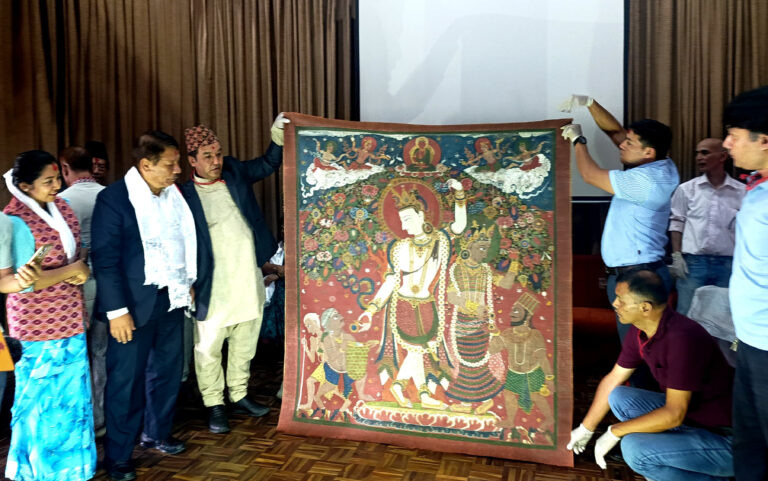
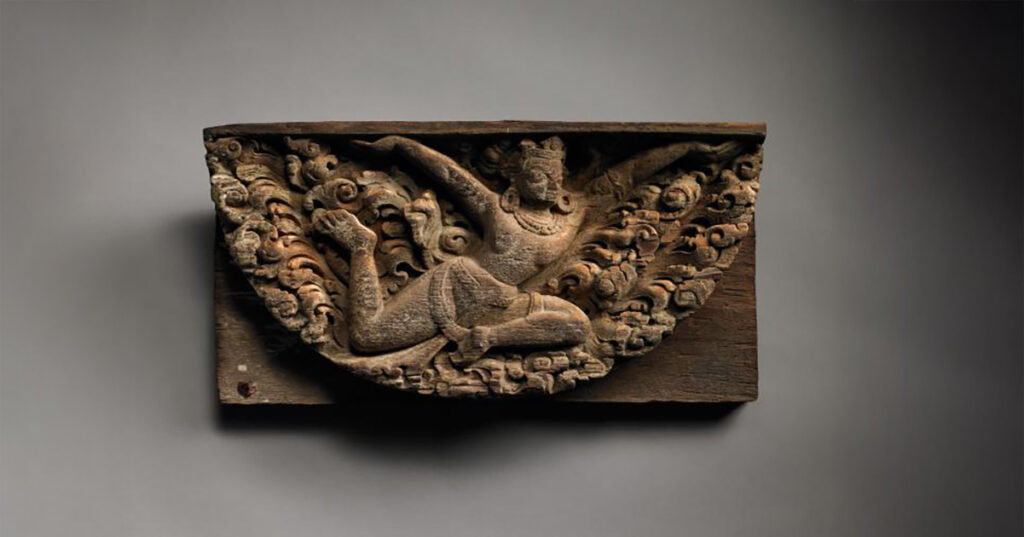
According to Nepal’s Department of Archaeology, around 200 stolen artifacts—including stone sculptures, wooden carvings, manuscripts and religious icons—have now been returned from museums and private collections around the world. More than 40 of those objects have already been reinstalled at their original temples and monasteries. Hundreds of other stolen masterpieces, however, remain missing. The movement has gained momentum through cooperation among government agencies, heritage activists, scholars and international institutions committed to returning illegally exported cultural property.
Restoring Memory
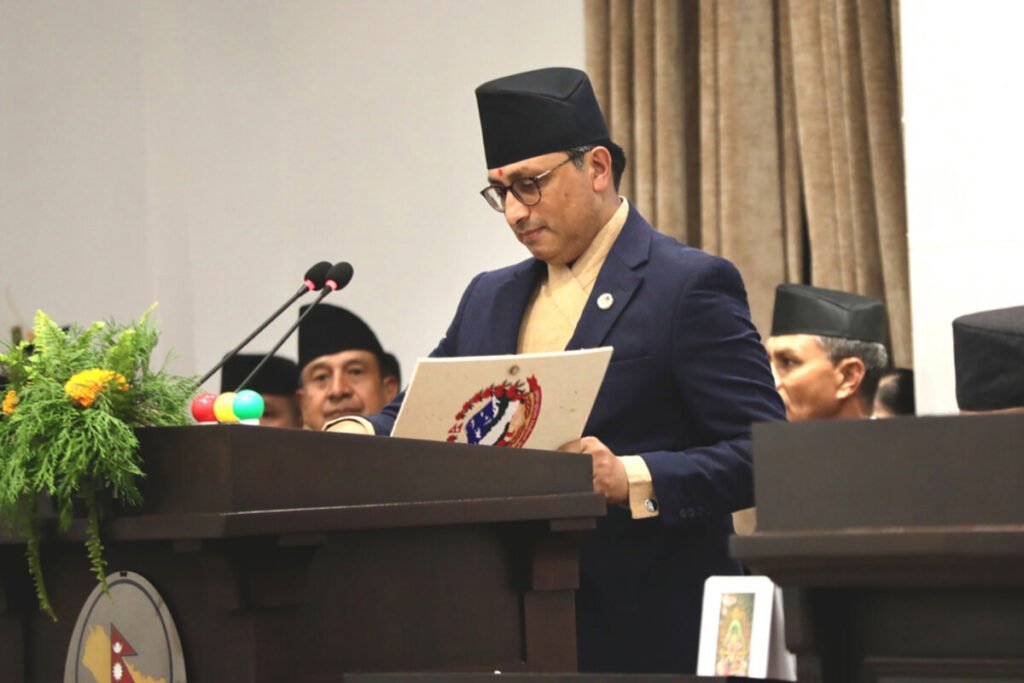
The reinstallation ceremony was attended by government officials, heritage conservationists, local residents and visiting representatives from the United States, whose support has contributed to recent repatriation efforts. Traditional rituals accompanied the placement of the sculpture back onto its original stone pedestal, where it had stood for centuries before its disappearance.
For many Nepalis, the ceremony symbolized more than the return of a priceless sculpture. It represented the restoration of memory, faith and cultural identity.
Each artifact that comes home reconnects communities with their history, reminding the world that Nepal’s sacred heritage is not merely a collection of beautiful objects, but an enduring tradition that continues to shape everyday life.
As the restored Buddha once again watches over the ancient monastery, its homecoming stands as a powerful reminder that some treasures are not truly complete until they return to the people and the place to which they have always belonged.
Krishna Paksha Thapa / Jerusalem

Krishna Paksha Thapa (KANXEY) is an art lover, illustrator, and storyteller from Nepal (Now in Israel). An independent creator who loves to write and paint, he brings stories to life through sketches, words, and visual expression.