












Now Reading: Is AI Really the Answer to the Museum World’s Deepening Crisis? A Provocative New Debate Takes Hold
-
01
Is AI Really the Answer to the Museum World’s Deepening Crisis? A Provocative New Debate Takes Hold
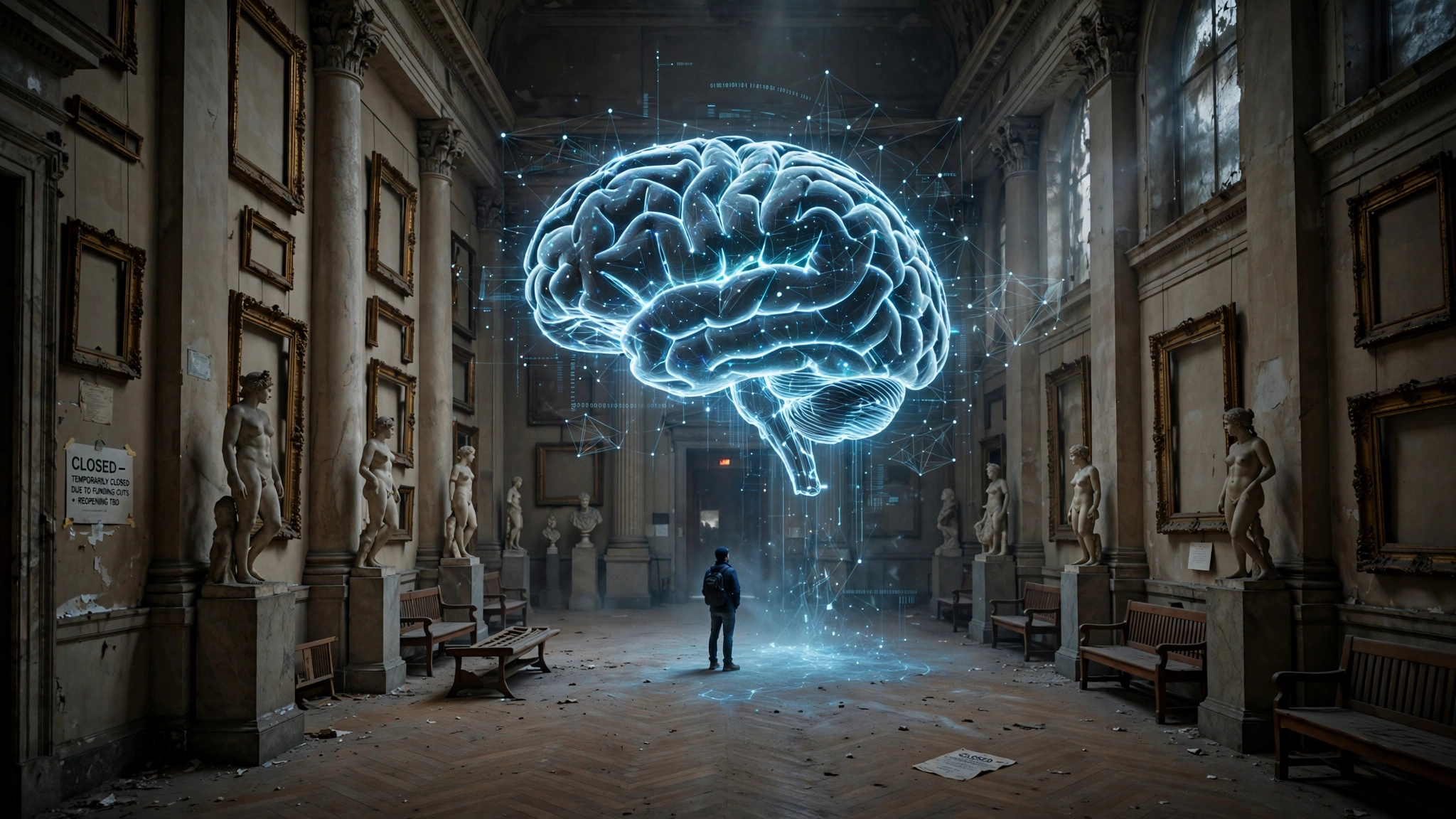
Is AI Really the Answer to the Museum World’s Deepening Crisis? A Provocative New Debate Takes Hold

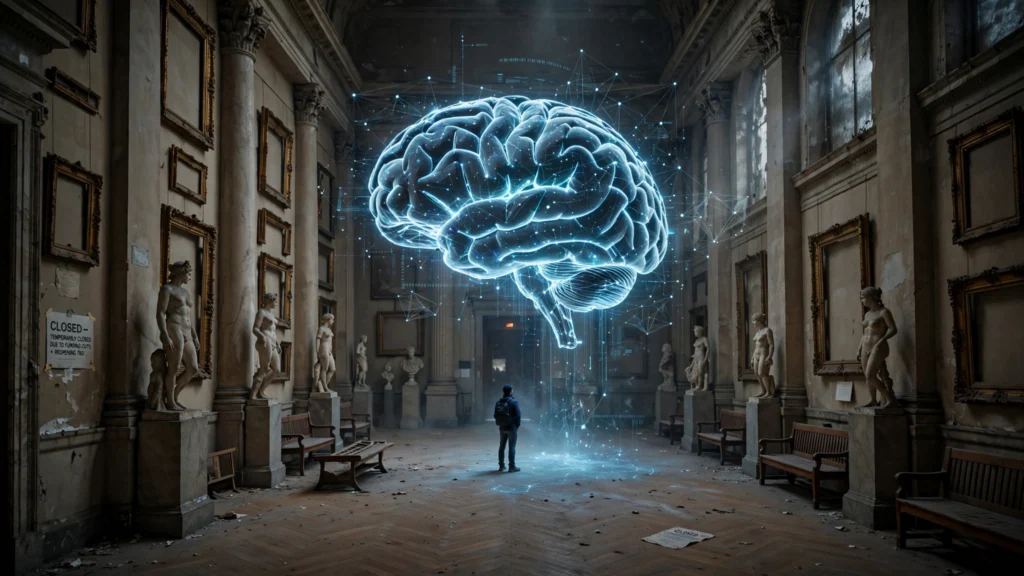
As museums around the world grapple with mounting financial pressure, shrinking government funding, and shifting audience habits, an unusual and provocative question is gaining traction in art circles: could artificial intelligence actually be part of the solution?
On its face, the question sounds almost absurd. The crisis facing museums is rooted in deeply human concerns — funding, physical experience, community relevance — so how exactly could an algorithm address any of that? And yet, art critics and museum professionals are treating the question with genuine seriousness, and its growing prominence says a lot about the level of soul-searching currently underway across the museum sector.
Museums worldwide have spent the past several years under serious financial strain. Government funding cuts, the lingering economic aftershocks of the pandemic, rising operating costs, and shifting patterns in audience attendance have forced many institutions to fundamentally rethink their futures. Some smaller museums have shut their doors entirely, while even major, well-funded institutions have had to trim programming and staff. It’s in this climate of uncertainty that AI has started to emerge as a subject of serious — if controversial — discussion.
Supporters argue AI could help museums in several concrete ways. First, it can dramatically speed up and reduce the cost of cataloging and researching the sometimes millions of objects sitting in museum collections — work that traditionally required enormous amounts of specialized staff time. Second, AI-powered tools can create more personalized visitor experiences: guiding people through exhibitions based on their interests, answering questions on the spot, or surfacing deeper contextual information that a rushed docent tour might miss. Third, proponents say AI can help with grant writing, administrative work, and identifying new revenue opportunities, freeing up staff to focus more of their time on curatorial and creative work rather than paperwork.

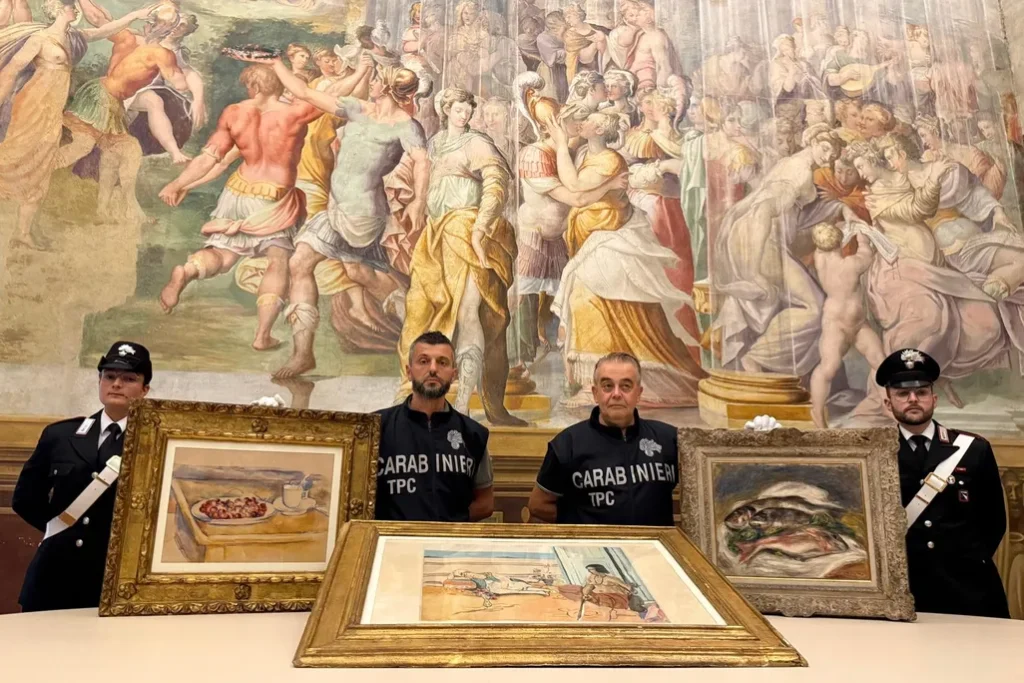
The AI tool currently being used to trace Nazi-looted art is often cited as a real-world example of this potential — helping institutions complete research that once took years in a fraction of the time, reducing legal risk, and helping museums meet growing international transparency standards around provenance.
But critics see things quite differently. Many argue that treating AI as some kind of magic fix for the museum sector’s woes is not just naive but potentially dangerous. The crisis facing museums, they say, isn’t purely financial — it’s structural, tied to declining public investment in culture, the shrinking role of the arts in education, and a broader need to rethink what museums are even for in the 21st century. AI, critics argue, might improve administrative efficiency, but it can’t replace what they see as a museum’s core purpose: offering people direct, unmediated, emotional encounters with real art and real history. Some worry that leaning too heavily on AI-driven experiences risks hollowing out the very authenticity and originality that make museums worth visiting in the first place.
There’s also a practical concern about cost. Developing and running sophisticated AI systems requires significant upfront investment — resources that many small and mid-sized museums simply don’t have. Experts warn this could widen an already troubling gap between well-funded, “AI-equipped” institutions and smaller organizations struggling just to keep their lights on, potentially deepening inequality across the sector rather than solving it.
Ultimately, the debate circles back to a much bigger and more philosophical question: what should the role of a museum actually be in the modern era? Is it primarily a custodian of objects, or should it function as a living, actively engaged institution in dialogue with its community? AI alone can’t answer that question — but most observers seem to agree that it’s forcing museums to confront it more urgently, and more honestly, than they have in years.

Krishna Paksha Thapa (KANXEY) is an art lover, illustrator, and storyteller from Nepal (Now in Israel). An independent creator who loves to write and paint, he brings stories to life through sketches, words, and visual expression.