


Now Reading: Parijat on Canvas: When Nepali Literature Meets the Painter’s Brush
-
01
Parijat on Canvas: When Nepali Literature Meets the Painter’s Brush
Parijat on Canvas: When Nepali Literature Meets the Painter’s Brush

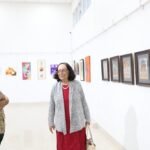
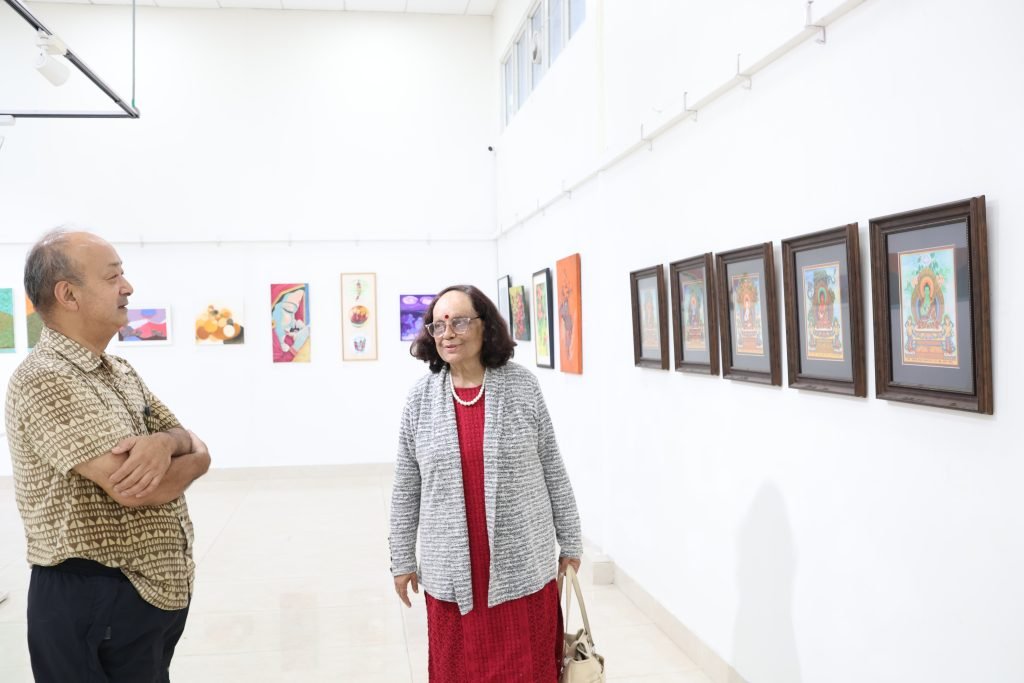
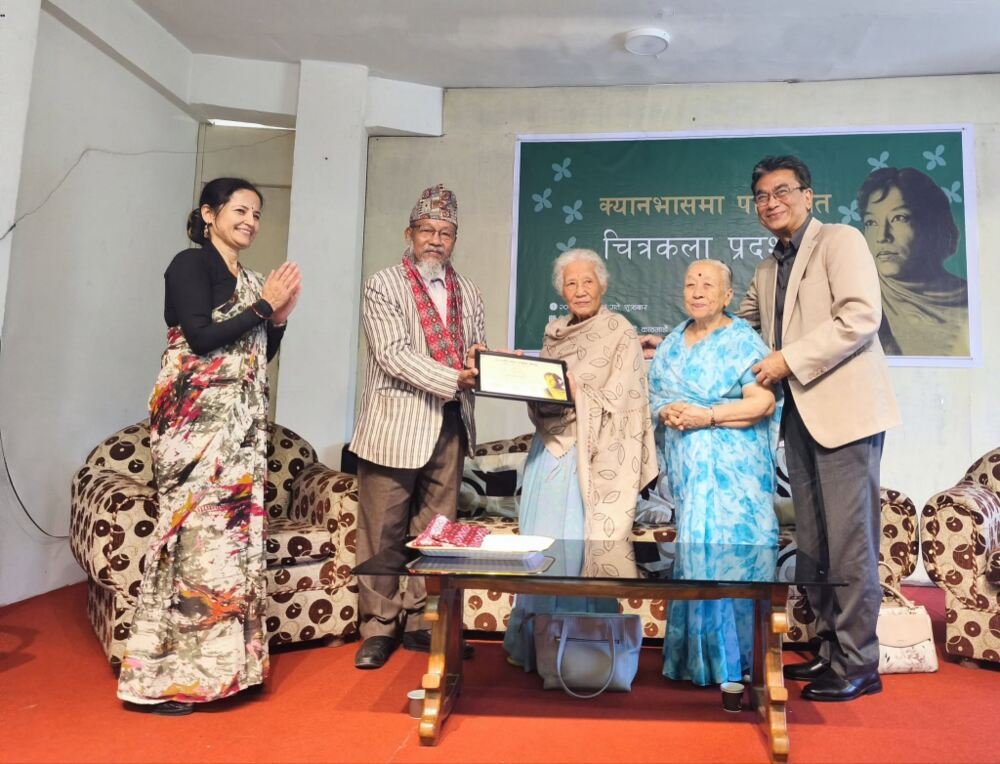
What happens when painters read a writer’s work and respond with color instead of words? A new exhibition in Kathmandu is exploring exactly that. “Parijat on Canvas,” a week-long show of artworks inspired by the literary legacy of the distinguished Nepali writer Parijat, has opened at the Parijat Memorial Center in Mhaipi.
A Fitting Start
The exhibition was inaugurated on Saturday by Nardamani Hartamchhali, former Chancellor of the Nepal Academy of Fine Arts. He praised the artists for taking up a meaningful project, painting from Parijat’s writings. He also made a thoughtful point about the idea behind it. When one artist creates something based on another’s work, it opens a window into the creative insights the two share, and the different ways each of them sees the world.
Why Paint Parijat?

Participating artist Saurganga Darshandhari spoke about the purpose of the project and why Parijat’s creations deserve this kind of artistic response.
Sukanya Waiba, patron and founding president of the Parijat Memorial Center, said the artists had done justice to Parijat through their work. Coming from the person closest to the Center’s mission, that is high praise.
What You’ll See at the Exhibition
The show brings together artworks by 16 artists, each drawing from a different part of Parijat’s body of work: her poems, short stories, novels and memoirs. That range means visitors can expect a variety of moods, styles and interpretations under one roof.
The participating artists are:
Nardamani Hartamchhali
Devendra Thumkeli
SC Suman
Palsangmo Lama
Pradip Adhikari
Saurganga Darshandhari
Dineshwar Mahato
Basu Kshitij
Keshavraj Khanal
DB Bhandari
Liladhar KC
Mohan Shivakoti
Kishor Ranabhat
Rasikraj
Manara Prajapati
Shobha Dhakal
Exhibition Details
Event: Parijat on Canvas
Venue: Parijat Memorial Center, Mhaipi, Kathmandu
Duration: One week from the opening
Extension: The organizers say the run may be extended if necessary
Why This Exhibition Matters
Literature and visual art rarely meet in such a direct way. By inviting painters to respond to Parijat’s writing, the exhibition keeps her work in conversation with a new generation of readers and viewers. If you love Nepali literature, art, or both, it is worth setting aside an afternoon for a visit.

Krishna Paksha Thapa (KANXEY) is an art lover, illustrator, and storyteller from Nepal (Now in Israel). An independent creator who loves to write and paint, he brings stories to life through sketches, words, and visual expression.